Offensive Security Researcher · Penetration Tester · Red Teamer
I’m an offensive security researcher and penetration tester with 3+ years of hands-on experience across web applications, APIs, mobile applications, networks, Active Directory, vulnerability assessment, and red-team operations.
My work combines offensive-security testing, research, automation, and engineering. I turn validated weaknesses into reproducible evidence, proportionate risk context, and remediation guidance that security leaders and engineering teams can act on.
Security administration, penetration testing, authorized research, and evidence-led communication across commercial and confidential environments.
One-year contract
Microsoft 365 & Security Administrator
Confidential maritime company · Malaysia
Administered Microsoft 365, Microsoft Entra ID, and Microsoft Defender with tenant-wide privileges, maintaining identity, access, security configuration, and day-to-day platform administration.
Supported authorized security research under strict confidentiality obligations. Organization, mission, systems, scope, methods, findings, and outcomes remain withheld.
Independent
Bug Bounty Researcher
Synack Red Team · HackerOne · Bugcrowd
Assessed web applications, APIs, mobile applications, and network infrastructure for authorized programs, working with security teams through validation and remediation.
Authorized offensive-security services supported by hands-on testing, engineering capability, and evidence-led reporting. Every engagement requires written permission and a defined scope.
01
Web Application Penetration Testing
Assess authentication, authorization, session management, input handling, business logic, and common OWASP Top 10 risks across modern web applications.
02
API Penetration Testing
Assess application APIs for broken object-level authorization, authentication flaws, excessive data exposure, injection, rate-limit weaknesses, and workflow abuse.
03
Network Penetration Testing
Assess exposed services, configuration weaknesses, segmentation, credential paths, and controlled privilege-escalation opportunities across internal or external networks.
04
Red Teaming
Conduct objective-led attack simulations across people, applications, identity systems, and infrastructure under documented rules of engagement.
05
Web Source Code Review
Review web application source for unsafe data flows, access-control gaps, injection paths, exposed secrets, insecure dependencies, and implementation flaws.
06
Mobile Application Penetration Testing
Assess mobile applications and supporting APIs for insecure storage, transport, authentication, authorization, and application-logic weaknesses.
07
Security Tool & Exploit Development
Build security automation, research tooling, and controlled proof-of-concept exploits that make validation and reporting repeatable in authorized environments.
08
AI Red Teaming & AI Application Testing
Assess AI-enabled applications for prompt and data-boundary failures, unsafe tool use, access-control gaps, sensitive-data exposure, and abuse-resistant workflow design.
All testing is permission-based and scoped in writing. Sensitive targets, client evidence, and exploit details are never published without authorization.
Skills
Hands-on capability across offensive testing, security tooling, software engineering, data systems, and established security methods.
Penetration Testing
Web applications · APIs · Mobile applications · Networks · Active Directory · Vulnerability assessment · Red teaming
Security Tools
Burp Suite Pro · Nmap · Metasploit · Nuclei · Katana · Wireshark · OpenVAS · Kali Linux
Computer-science foundations, practical security research, and evidence-led communication.
My background combines computer-science study with independent security research, coordinated disclosure, application engineering, and security-tool engineering.
I separate observation from inference, validate before claiming impact, and document findings so both security leaders and engineering teams can act.
Education
BSc (Hons) Computer Science Taylor’s University / University of Bristol CGPA 3.69 · 2023—2026
Real Projects
Selected product engineering, offensive-security tooling, and controlled assessment evidence.
01
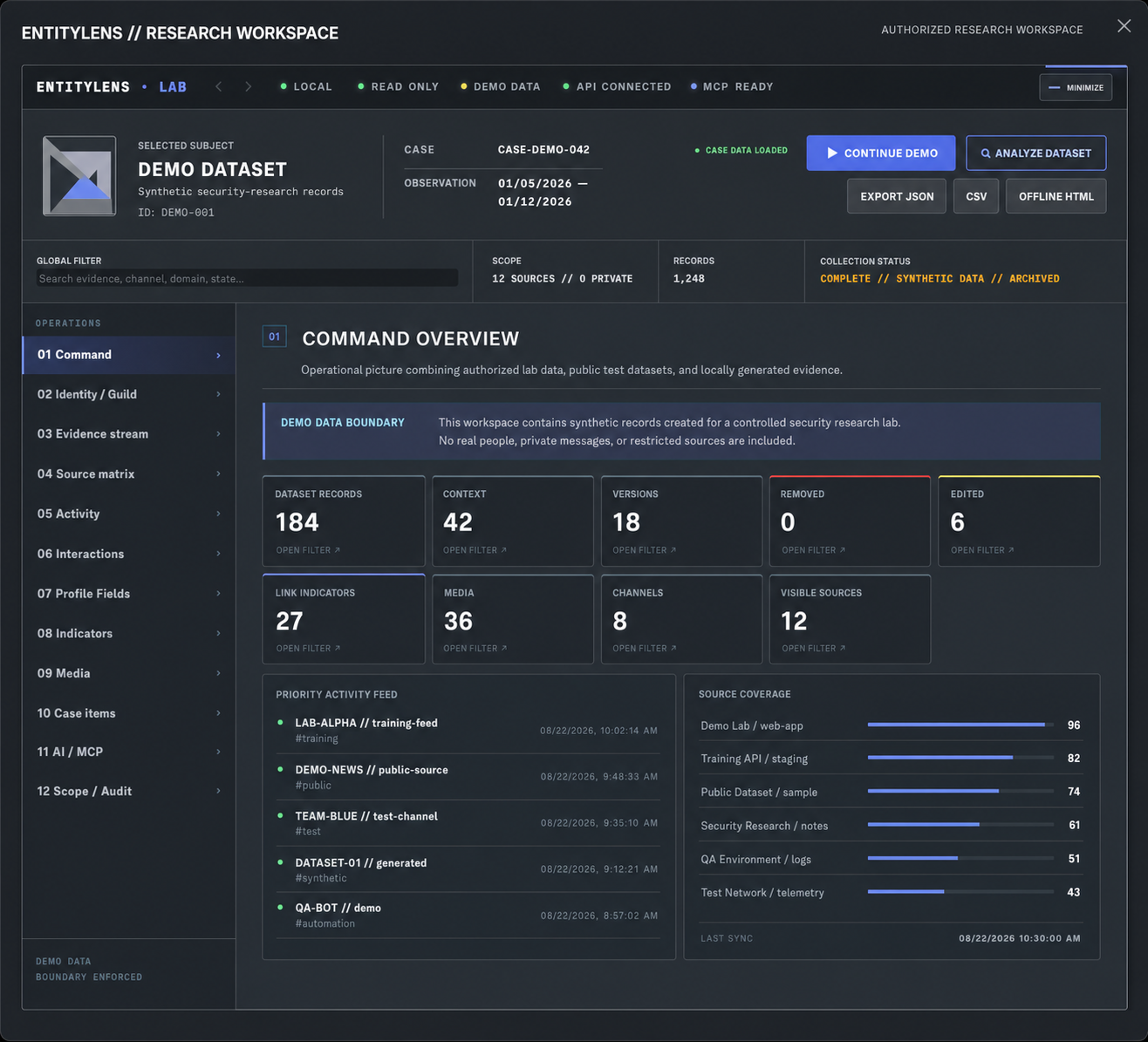
EntityLens
Offensive-security research workspace for controlled evidence analysis and permission-aware OSINT.
A local-first workspace that turns authorized research data into structured evidence, high-volume analysis, interactive visualization, and read-only AI access through the Model Context Protocol (MCP).
What I built
Case-oriented persistence, structured search and filtering, resumable background operations, controlled exports, and defensive desktop integration.
What it proves
Application engineering, responsible OSINT design, resilient workflows, evidence quality, and permission-aware AI integration.
Supporting evidence across autonomous assessment, monitoring, and confidentiality-bound work.
05
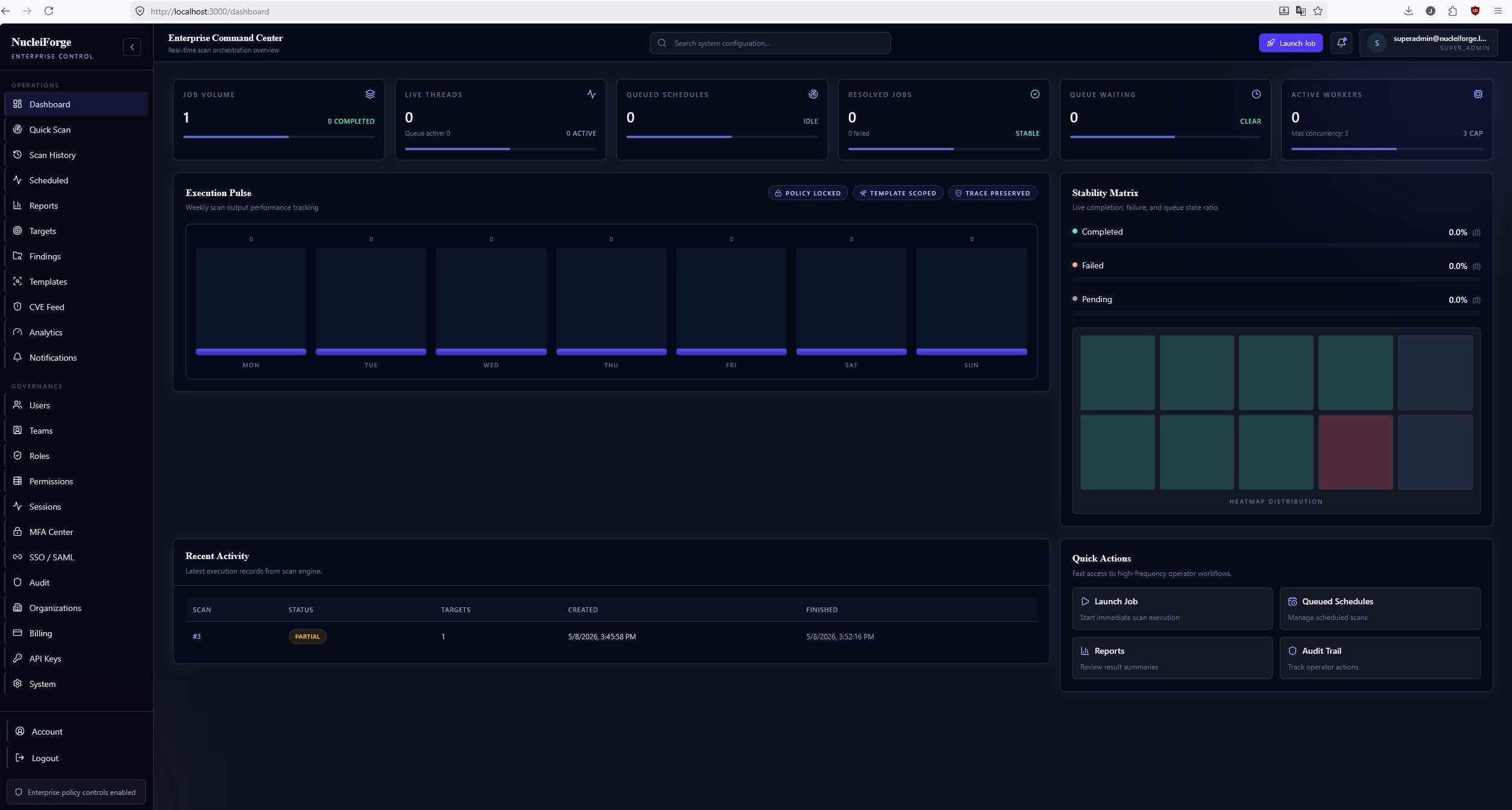
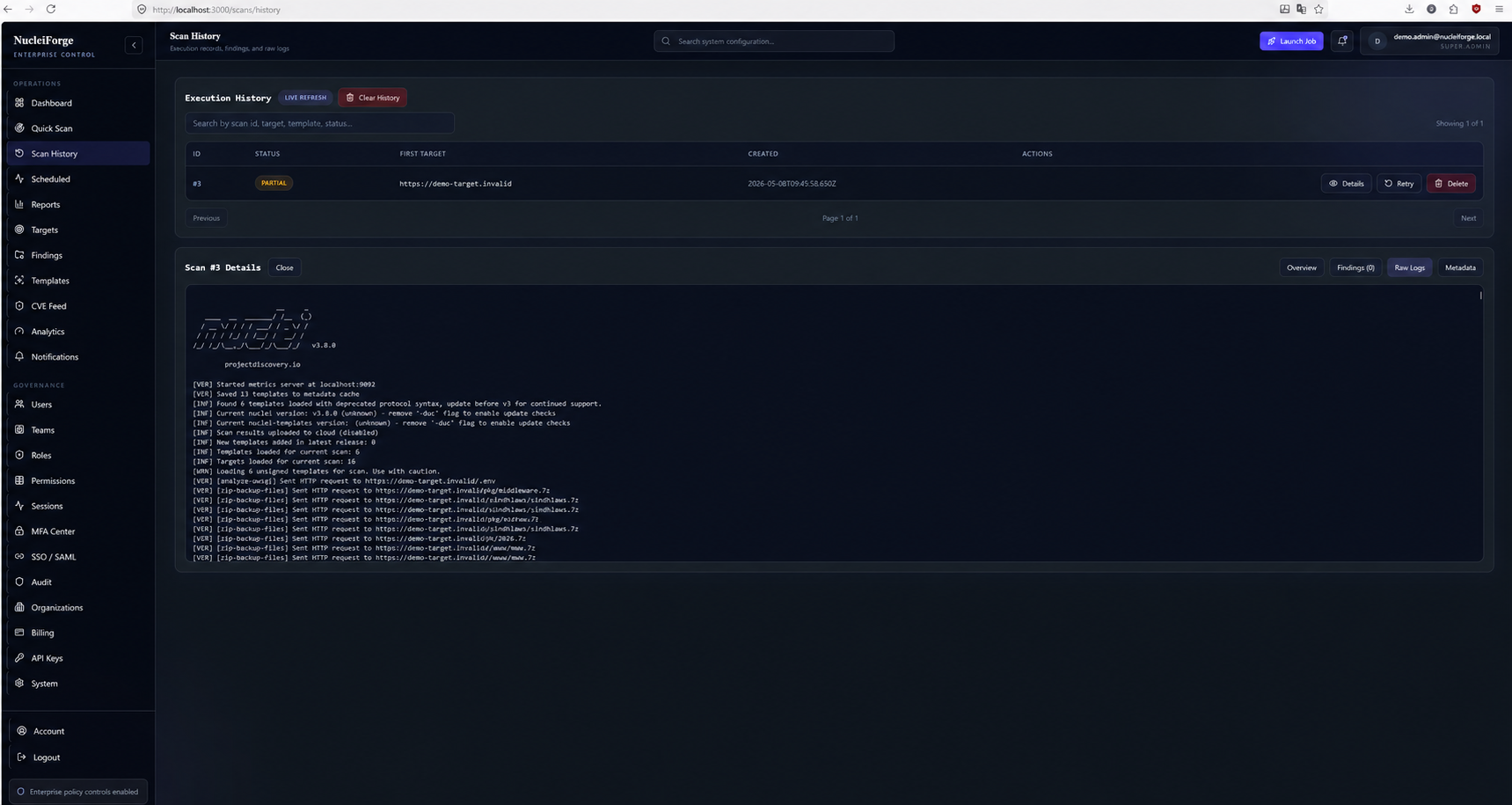
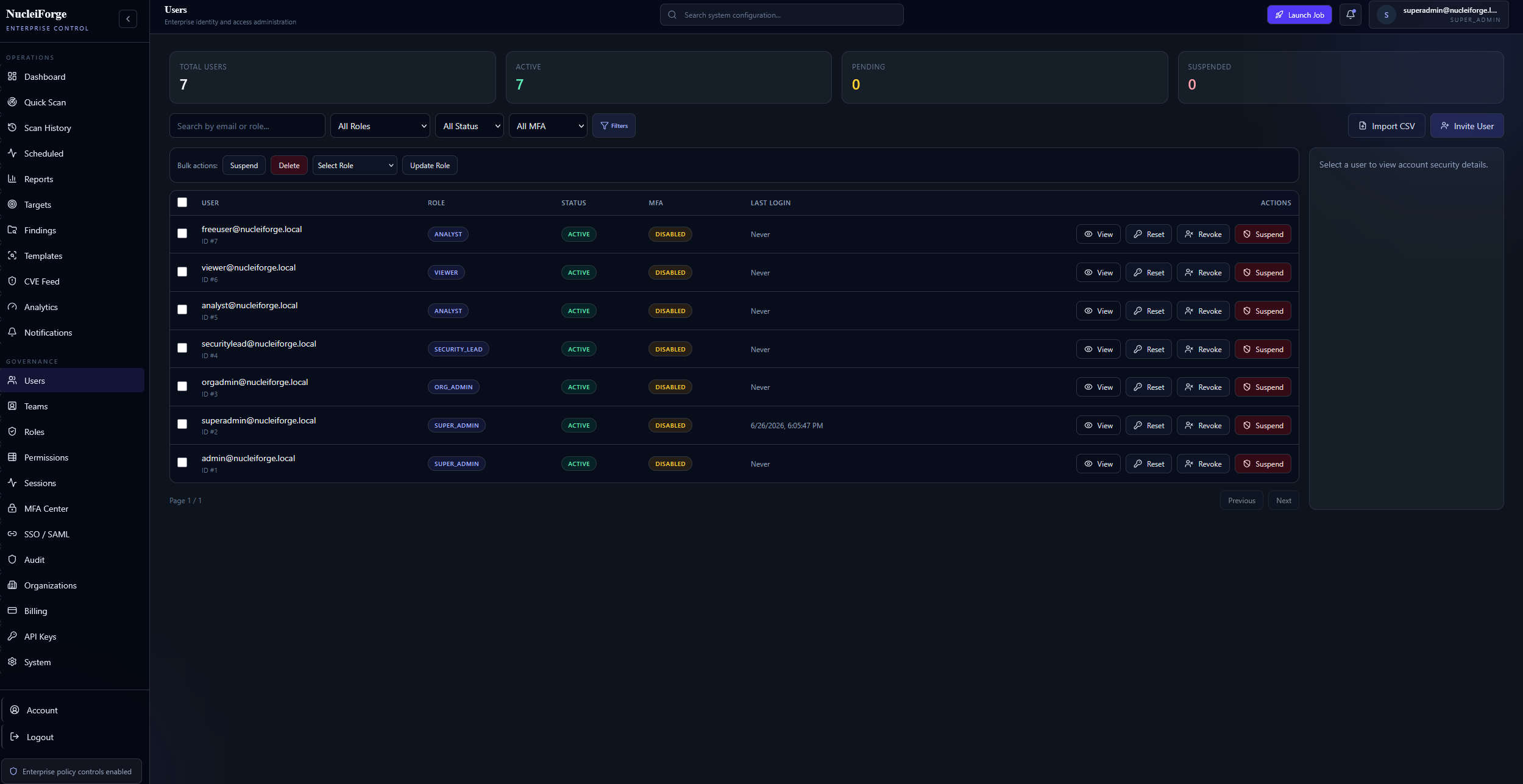
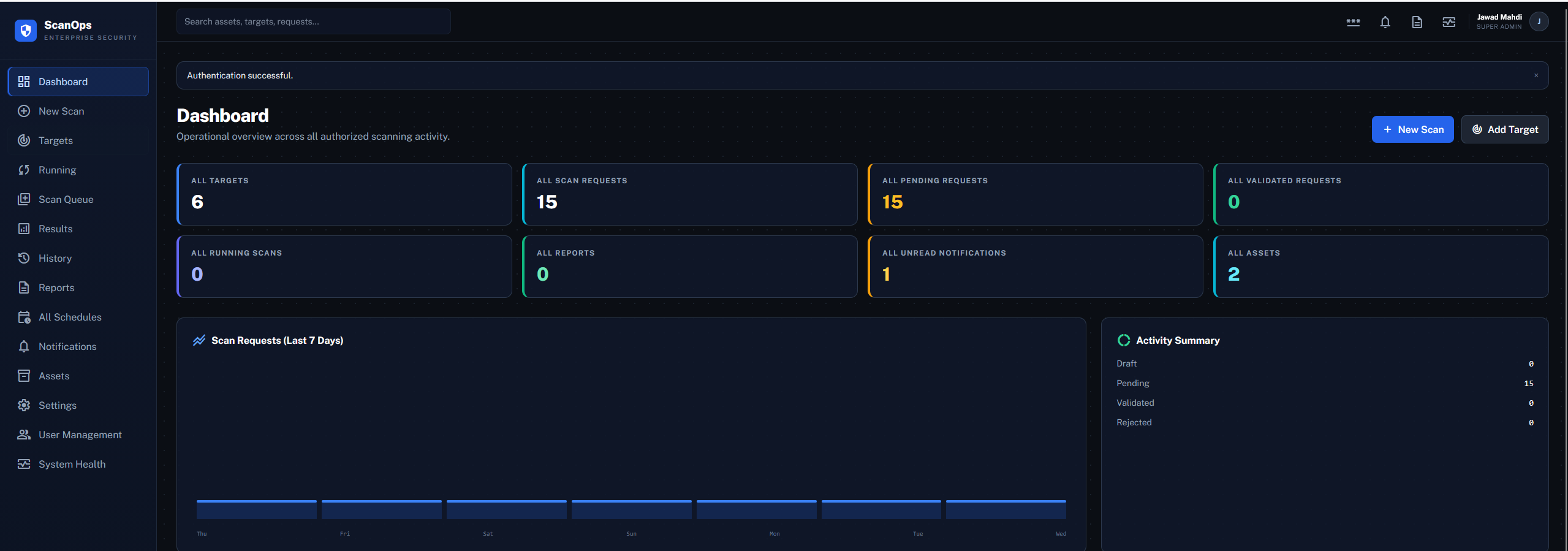
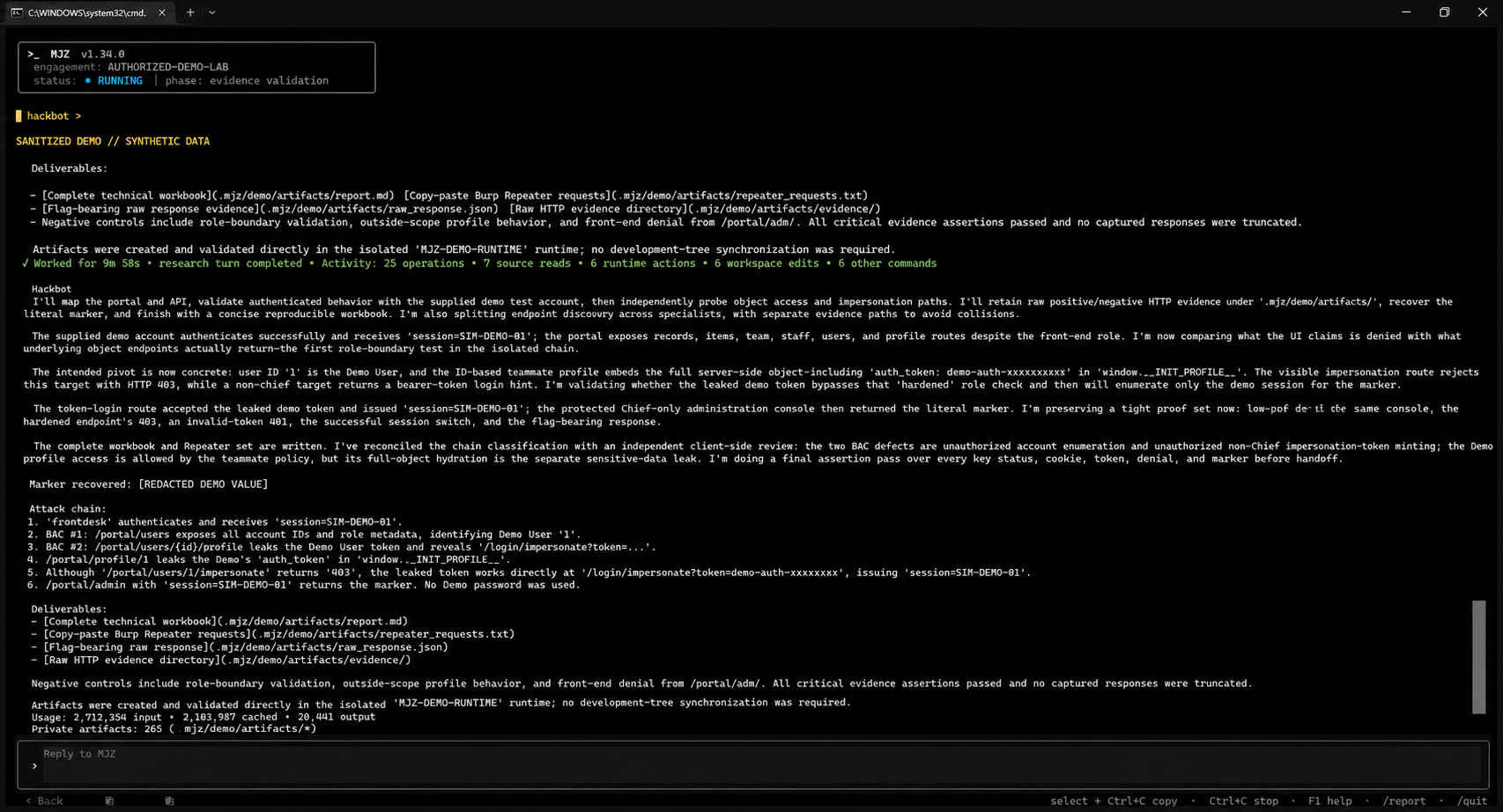
MJZ Autonomous Pentest Agent
A local-first, AI-assisted platform for authorized web and API testing, source analysis, deterministic scope control, isolated specialist workflows, evidence retention, and reproducible reporting.
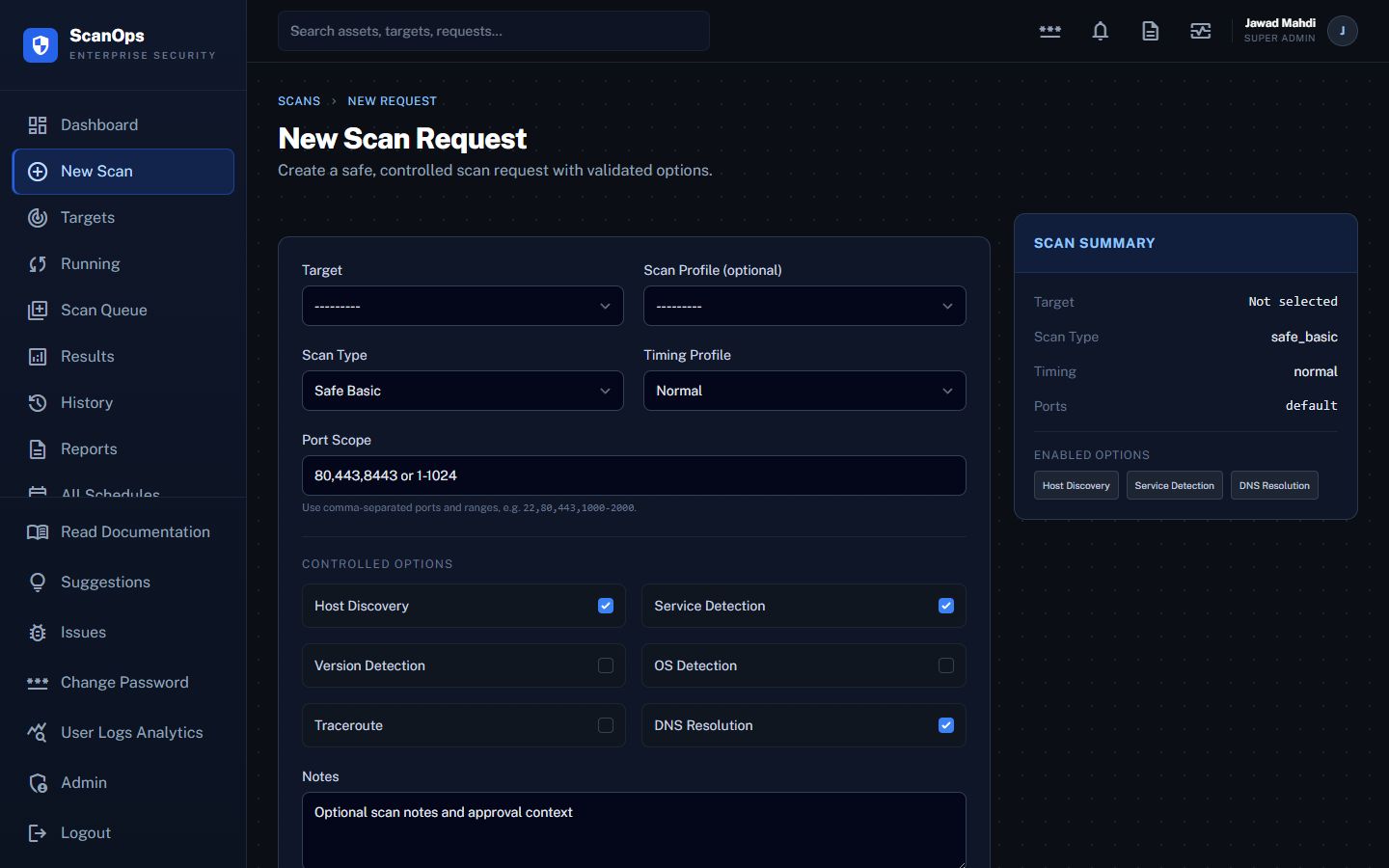
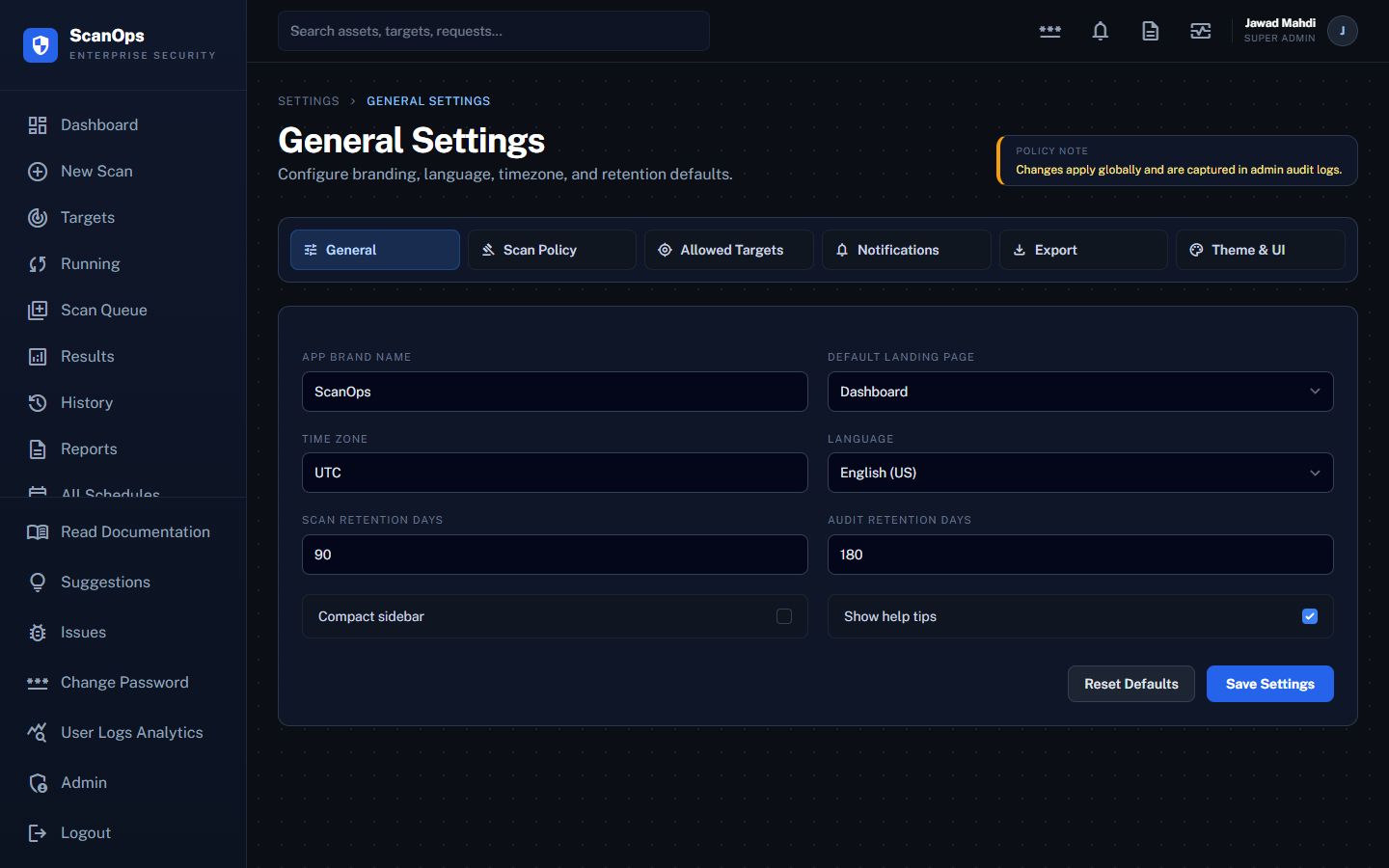
Monitoring and analysis work built with Django and Elasticsearch.
Django · Elasticsearch
07
Confidential Security Assessments
Selected authorized work remains private under confidentiality obligations.
NDA Protected
Security Recognition
Selected outcomes from a broader body of in-scope vulnerability research, supported by reproducible evidence, program validation, and responsible disclosure.
Disclosure record
Selected highlights
The organizations shown here represent selected outcomes from a wider record of authorized reports and research activity.
What the recognition means
For the selected public examples below, eligible in-scope reports passed program triage, received bounty awards, and were formally acknowledged. They do not represent every submission.
Authorized scope
Testing followed the program’s published scope, authorization, and disclosure rules.
Reproducible report
Each submission included reproducible evidence, impact analysis, attack context, and remediation guidance.
Validated outcome
Program triage confirmed eligible disclosures before bounty awards and acknowledgements were issued.
Selected public examples
Bounty acknowledgements
These organizations publicly identify selected validated outcomes—not the total volume of reports submitted.
U.S. Department of DefenseBounty awarded · Acknowledged
AppleBounty awarded · Acknowledged
University of CambridgeBounty awarded · Acknowledged
The Coca-Cola CompanyBounty awarded · Acknowledged
Dell TechnologiesBounty awarded · Acknowledged
Research channels
Authorized platforms
Scoped testing and coordinated-disclosure channels used under their published program rules.
Synack Red Team
Assigned, authorized testing scope.
HackerOne
Coordinated-disclosure programs.
Bugcrowd
Coordinated-disclosure programs.
Recognition records describe authorized vulnerability-disclosure outcomes—not client work, employment, sponsorship, or endorsement. Organization and platform marks identify the receiving program or authorized research channel only.
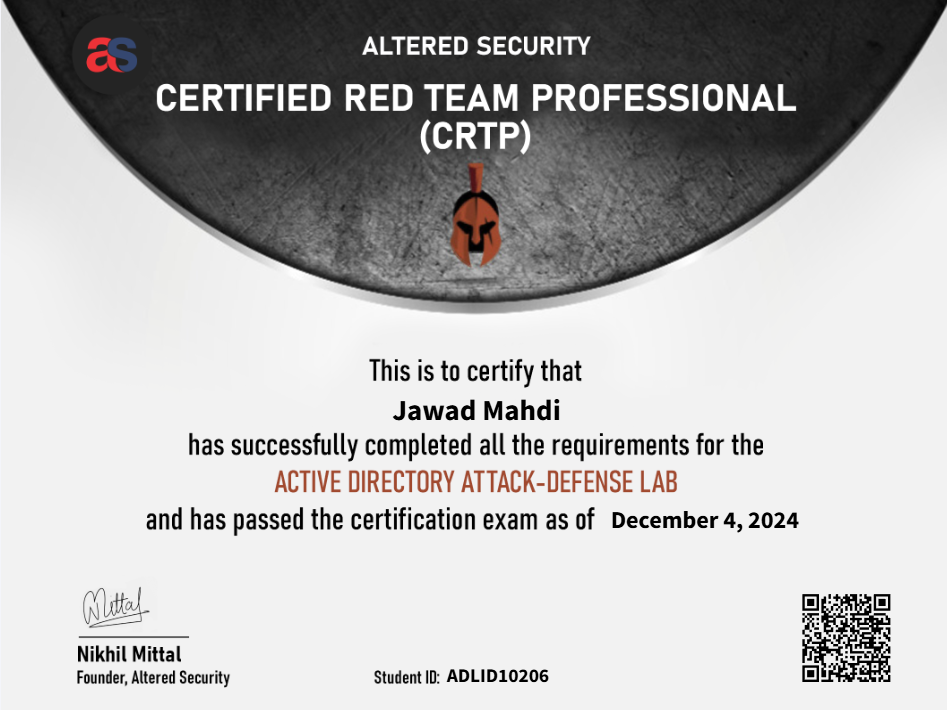
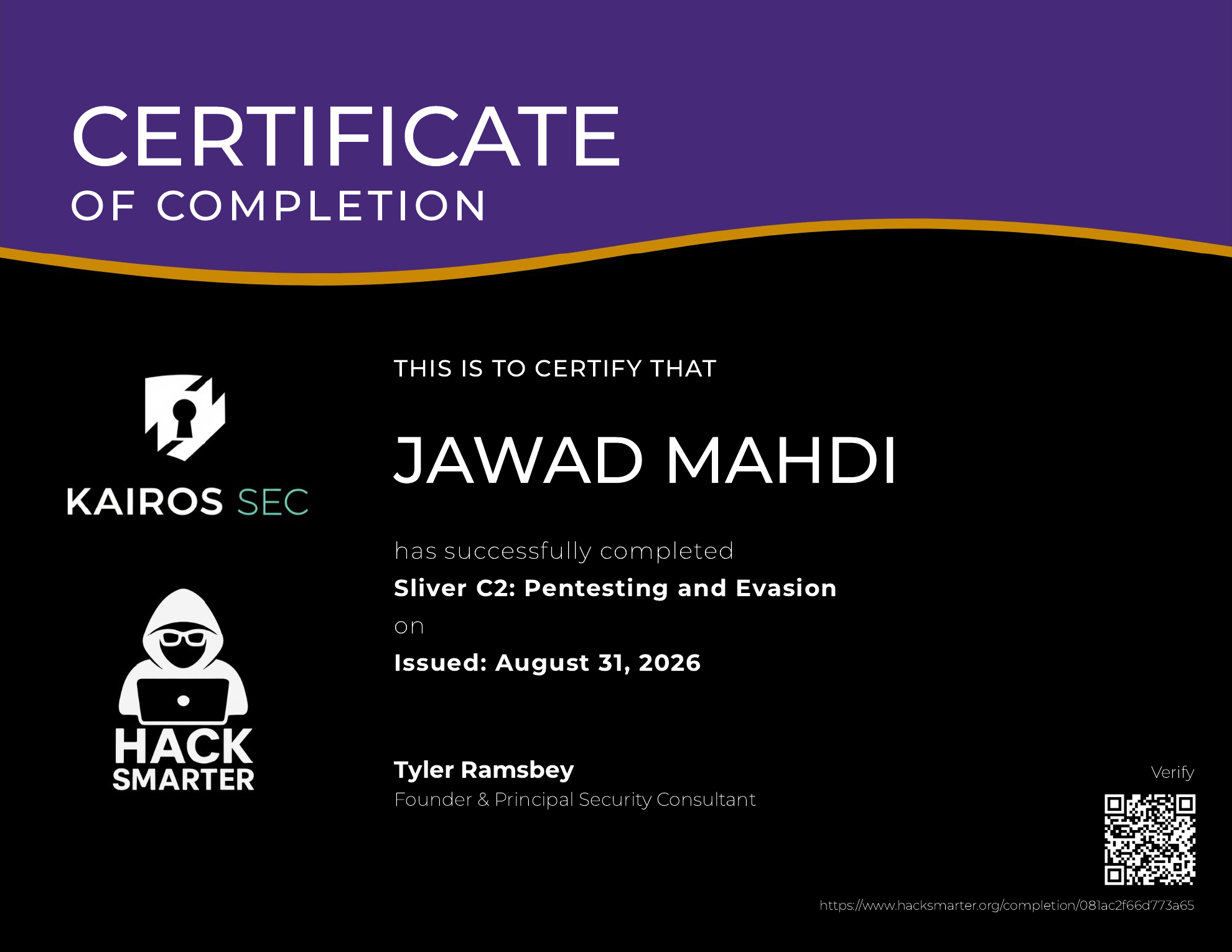
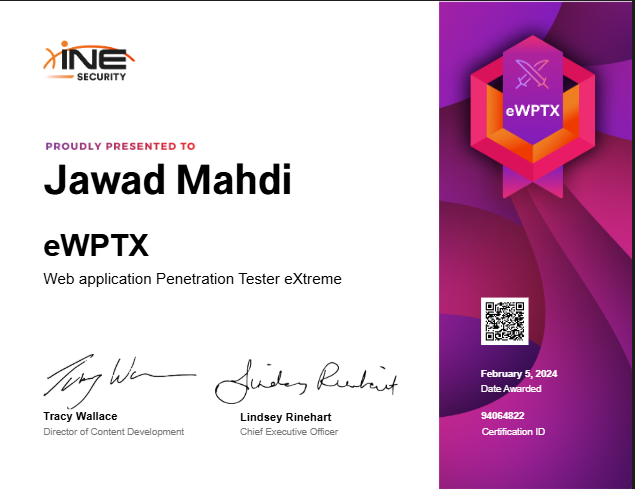
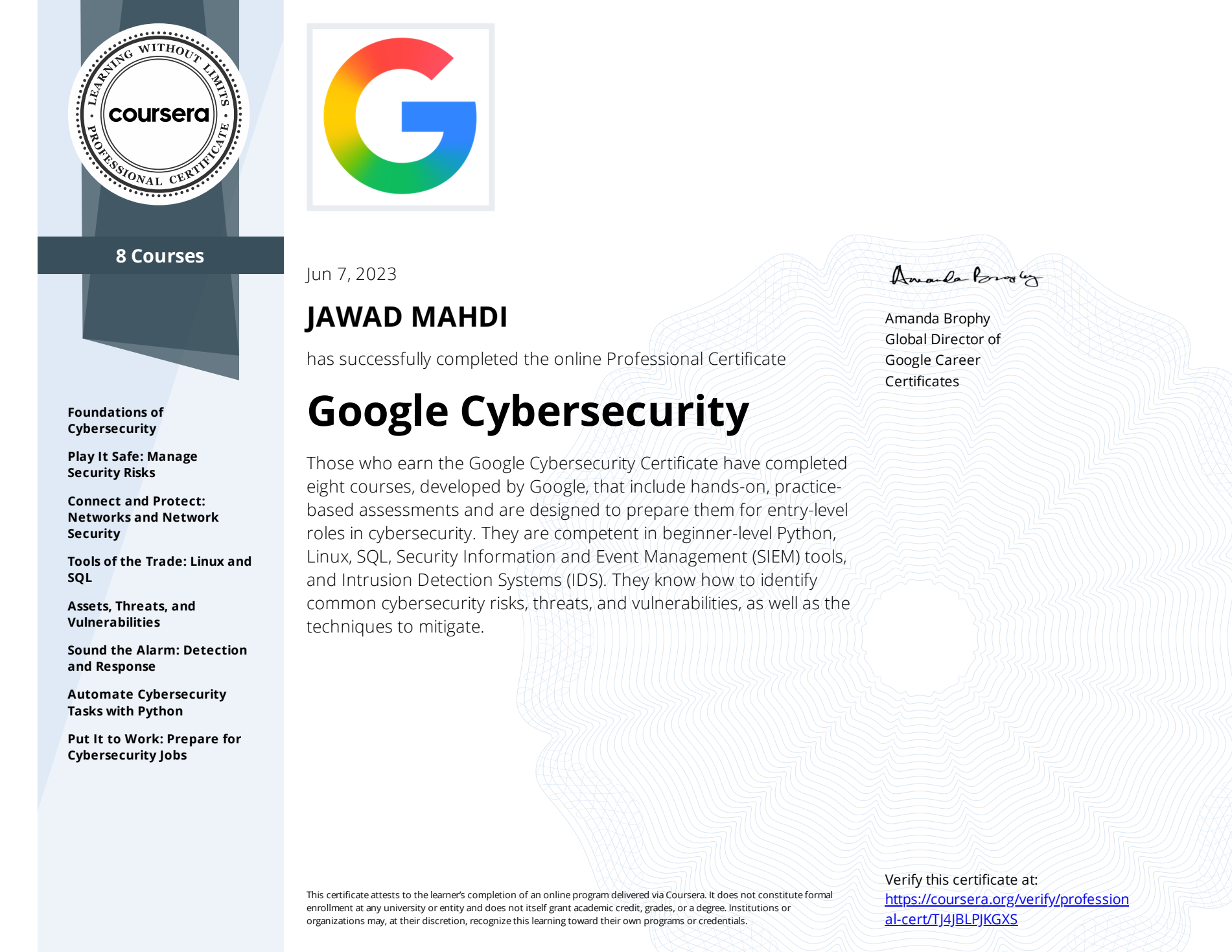
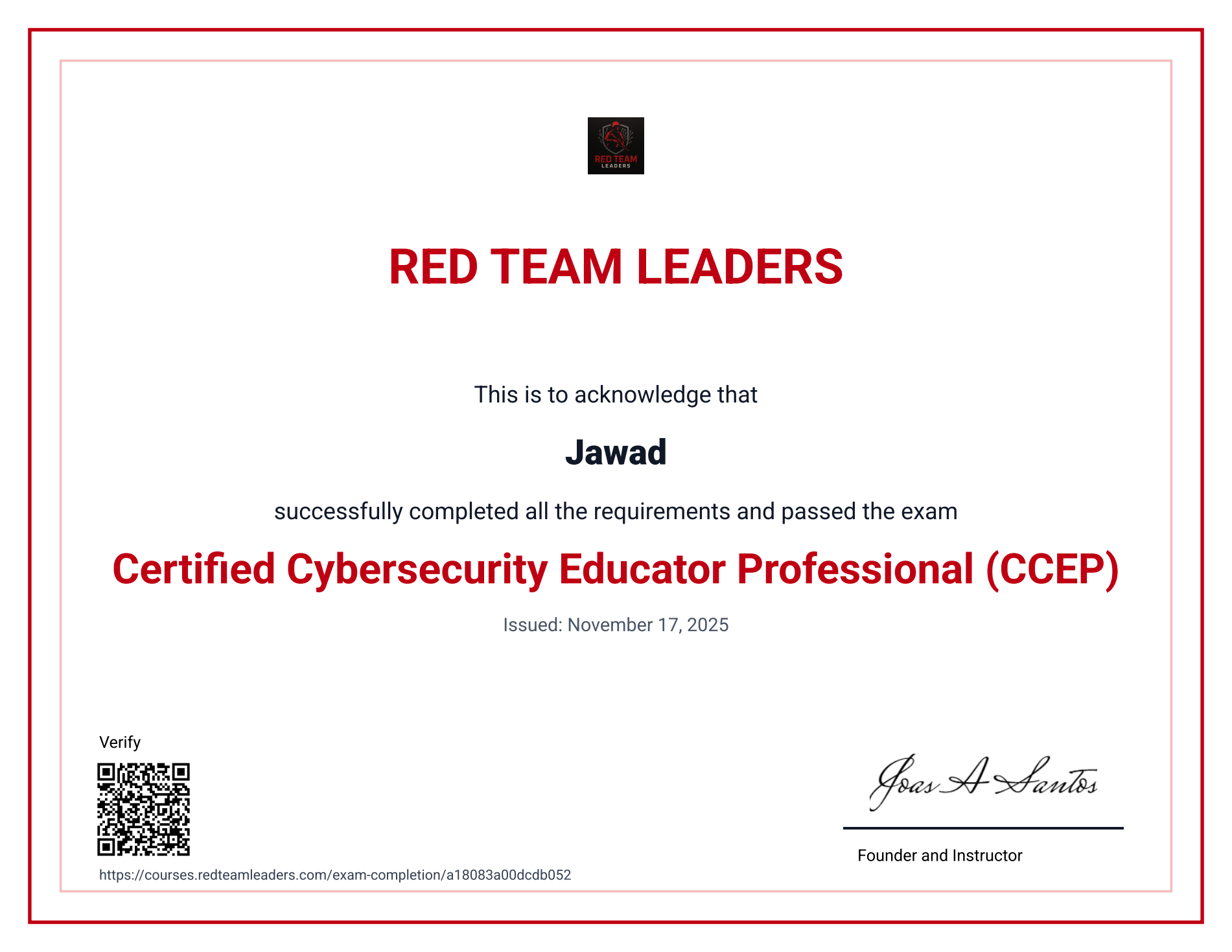
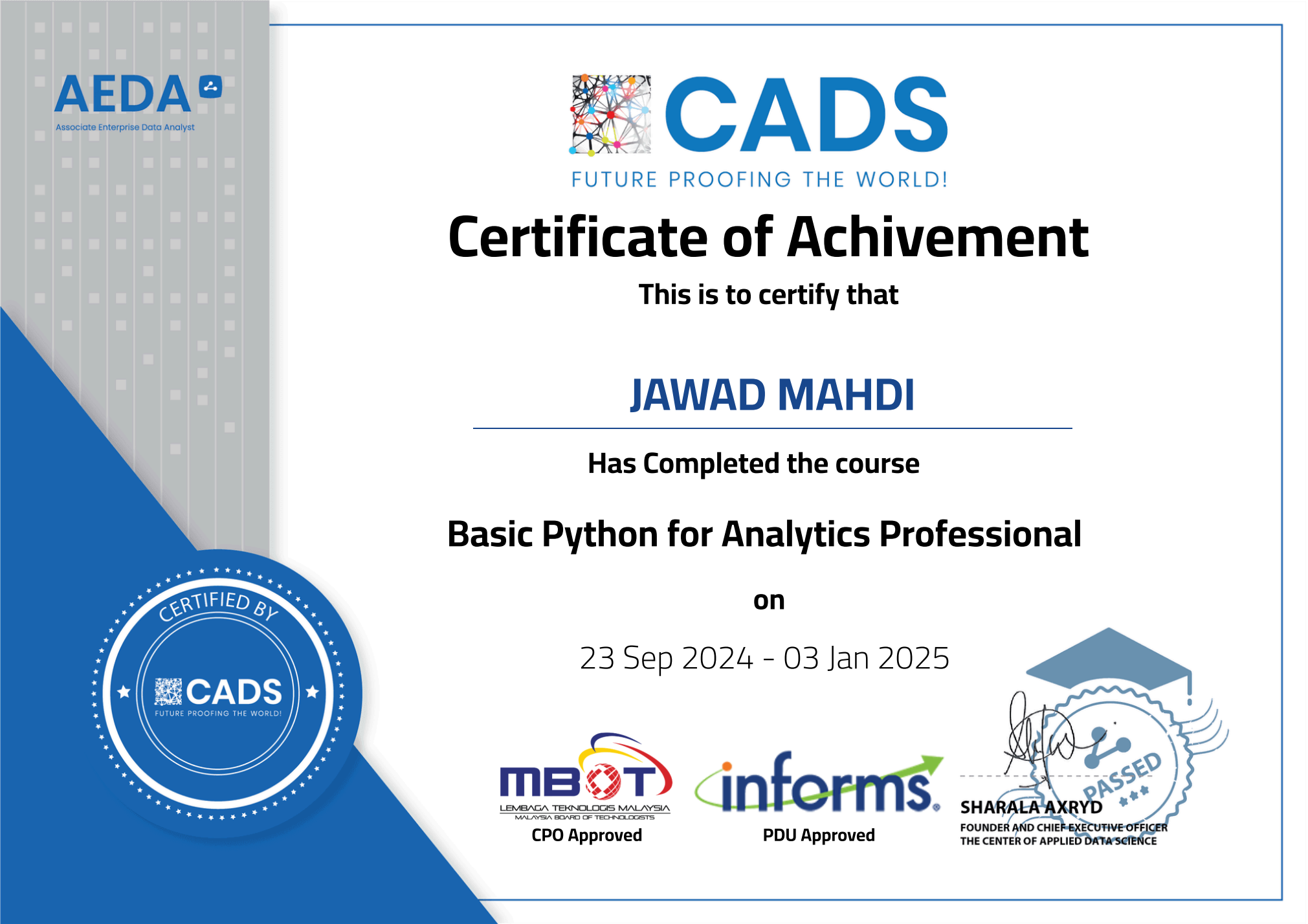
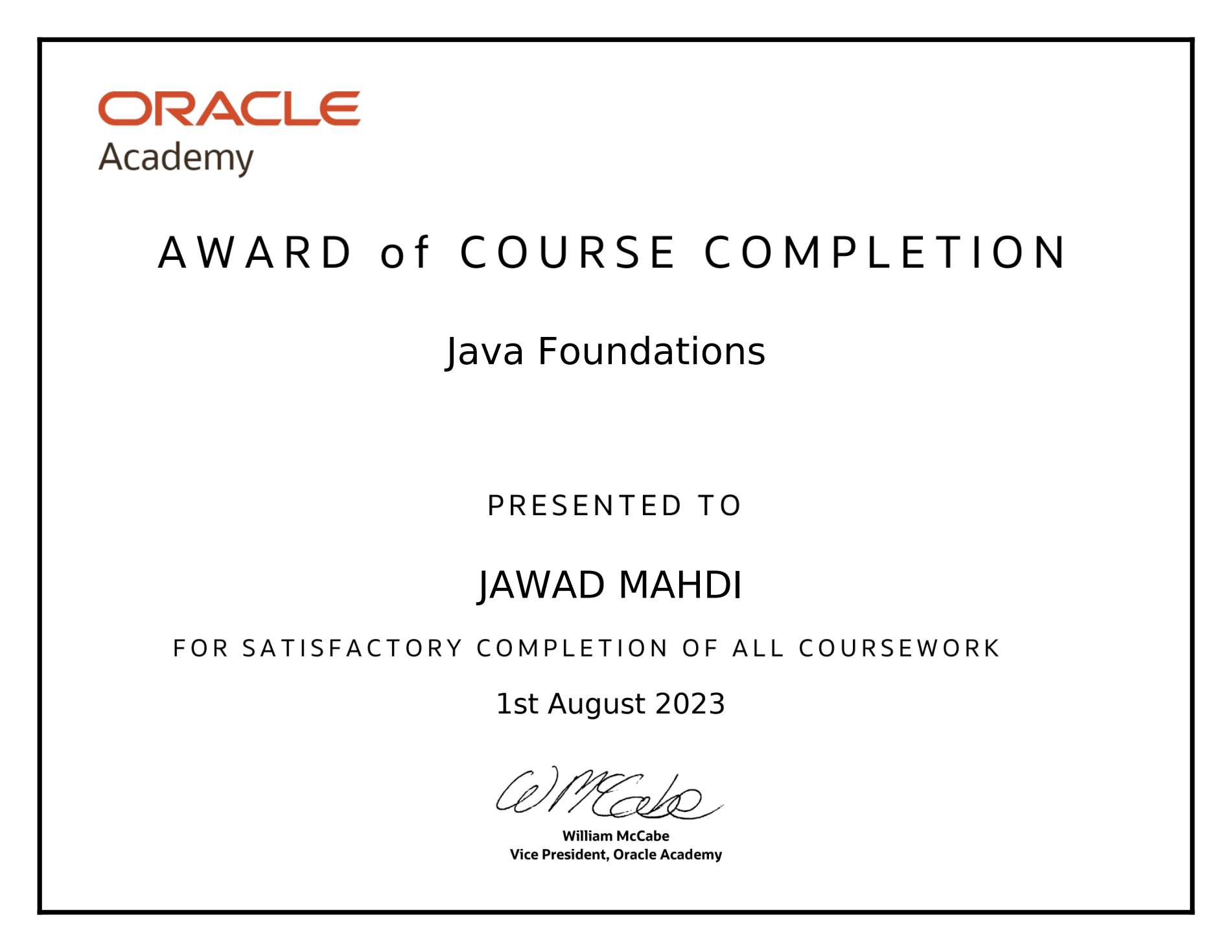
Credentials
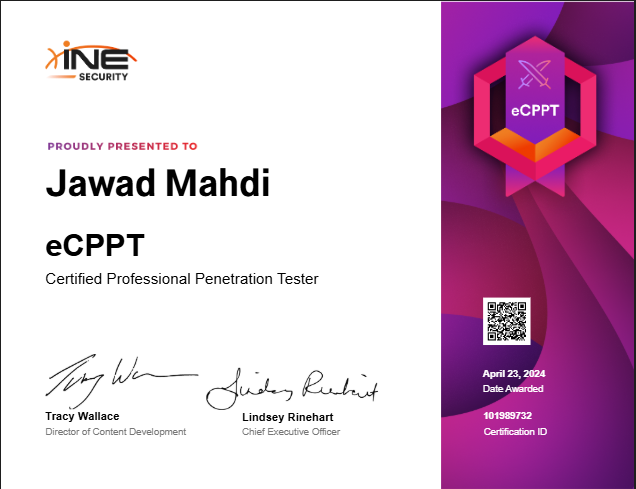
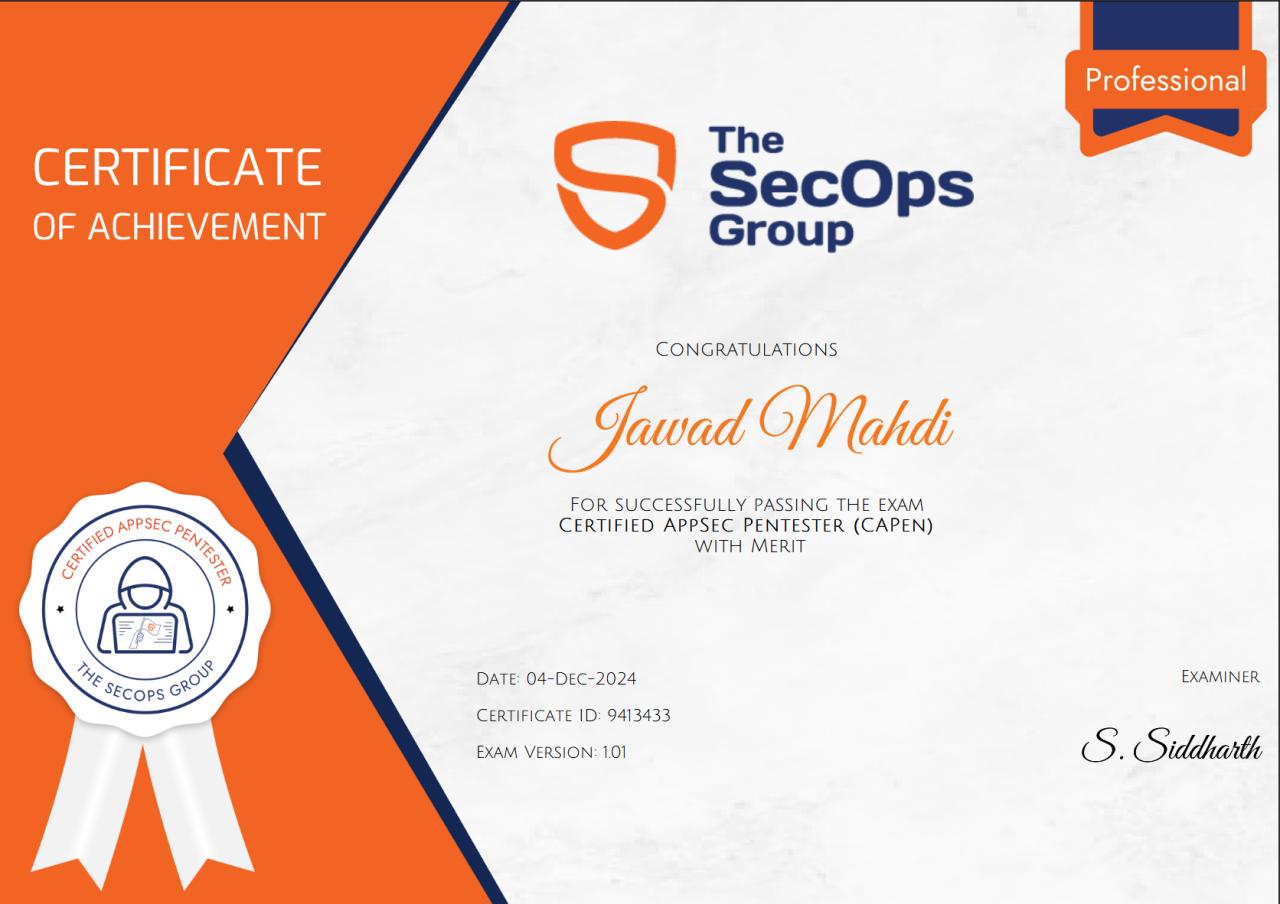
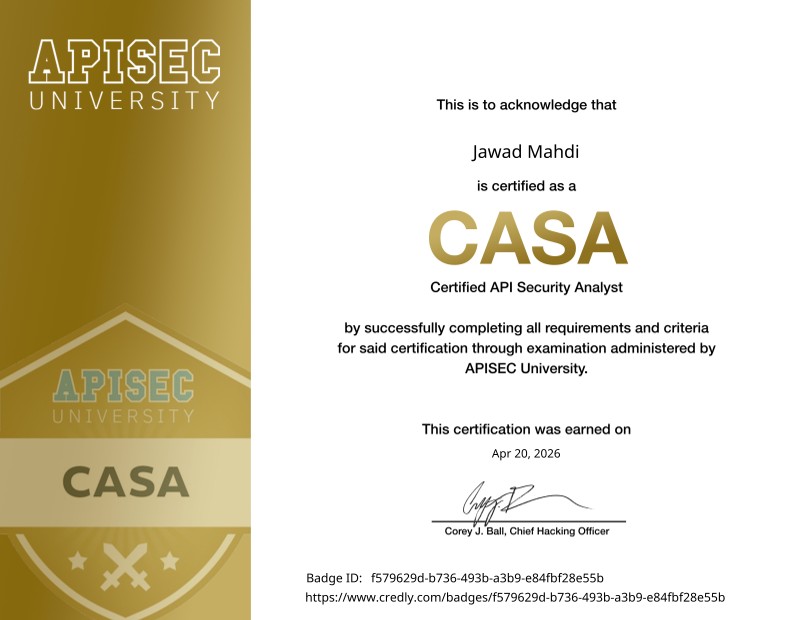
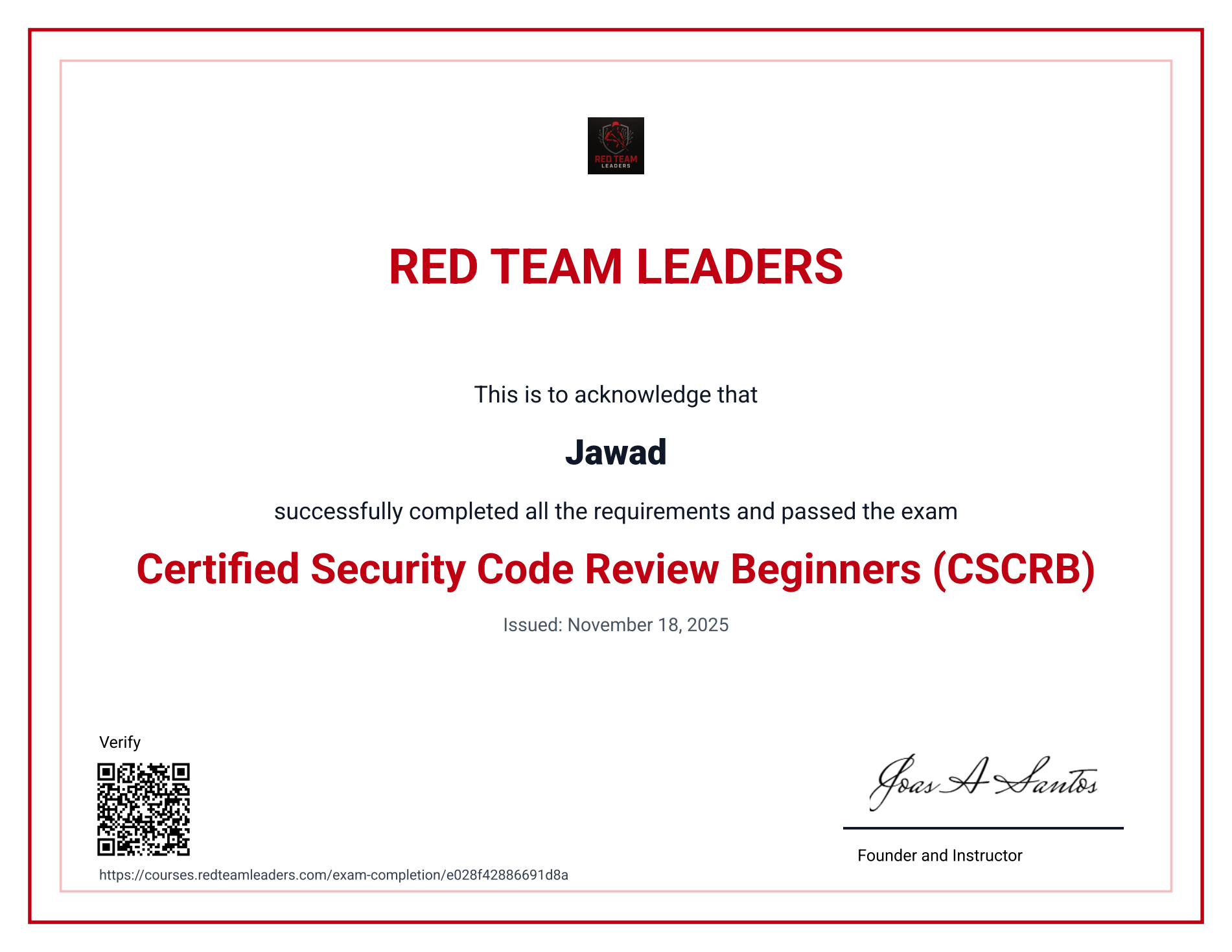
All ten professional credentials are shown together, with the most role-relevant certifications presented first.
Practical security writing that shows how I investigate, validate, connect, and communicate application-security findings.
Using Burp Suite MCP with AI to Assess a Supabase Application
Shows how an AI-assisted web assessment moved from initial signals to validated security findings through controlled testing, tool orchestration, and repeatable documentation.
Explains how open-source intelligence, broken access control, and remote code execution combined into one exploit chain—and how to reason about the complete risk.
Breaks down an unusual application behavior that exposed personally identifiable information, how the issue was reproduced, and why ordinary user flows still require careful validation.
For offensive-security roles, authorized assessments, and selected technical collaborations.
Send a message
Use this private form to begin a professional conversation. Your reply address is sent securely to the contact endpoint and is not published on the website.
Please do not include credentials, client data, or confidential evidence. We can establish a safer channel if the conversation needs one.